Feet in the Piedmont do not get a season off. Summer in Albemarle means sandals, bare floors, pool decks, and heels on display. Winter means boots, thick socks, indoor heat, and toenails hidden for months until a warm weekend exposes how much they were neglected. The care that matters changes with the season, and so do the mistakes. Summer feet mostly suffer from friction, sun, and dry air at the edges. Winter feet mostly suffer from being forgotten inside closed shoes.
A spa pedicure at Nail Care covers the parts that are awkward to do well at home, especially callus work and even toenail shaping. The comparison below sorts what to focus on, what to watch for, and what to do yourself in each part of the year.
The year in feet, side by side
| Season | Main focus | Watch for | At home |
|---|---|---|---|
| Spring | Shed winter dryness, reshape toenails after months in boots | Thickened heels, nails grown long and pressing in shoes | Moisturize nightly for two weeks before sandal weather, not the night before |
| Summer | Callus control, polish that lasts, skin protection | Cracked heel edges from sandal straps, sunburn on the tops of feet | Apply sunscreen to exposed feet, rinse after pool days, keep a pumice routine light and regular |
| Fall | Transition care as shoes close in again | Nails left long as boots return, dryness from cooler air | Trim toenails straight across before boot season, restart heel cream as heat comes on indoors |
| Winter | Moisture, circulation, and toenail attention despite no polish | Deep heel cracks, ingrown corners hidden in socks, fungal changes unseen for months | Check toenails monthly, change damp socks, use a richer cream under socks at night |
Callus and dry heels, honestly
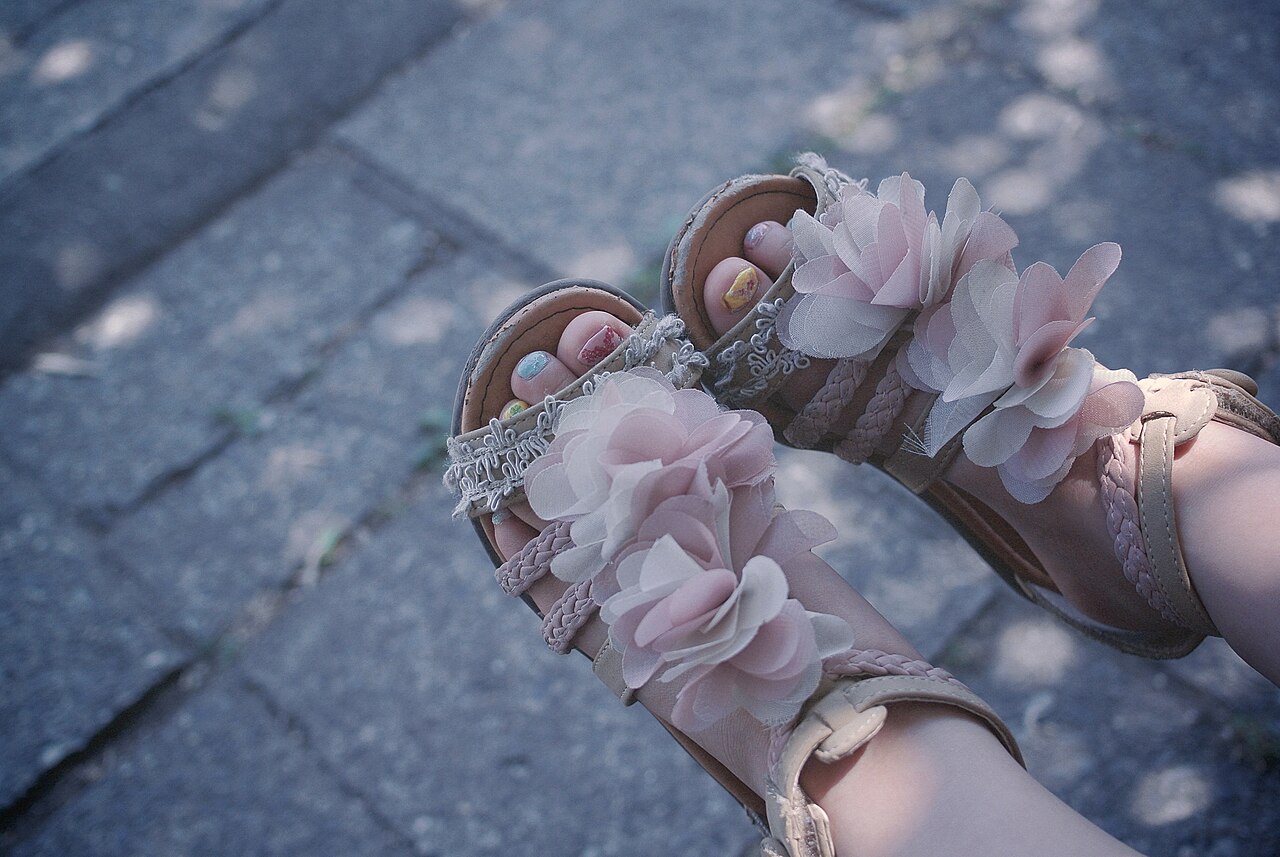
Callus is protection, not dirt. Feet build it where pressure repeats, usually the heel edge and the ball of the foot. The goal is to keep it thin and flexible, not to remove it all, because bare, over-filed skin cracks and stings. In summer, sandal heels with no back strap let the heel pad spread and the edge dry out, which is why shallow cracks appear in July. A professional pedicure can smooth callus evenly, and at home a gentle file after a shower, followed by cream, works better than one aggressive session a month. Deep, painful cracks that bleed are beyond cosmetic care and should be checked medically, especially for anyone with diabetes or poor circulation, who should ask their clinician before any callus work at all.
Why winter toenails still need attention
Toenails keep growing inside boots. Left untrimmed from November to March, they press against the toe box, bruise under the nail, and start corners that dig in by spring. Winter is also when color and texture changes go unnoticed, because nobody looks. A monthly check takes a minute: trim straight across, keep length even with the tip of the toe, and look at the color. Thick, crumbly, or yellowed nails that do not grow out clean are worth a medical conversation, not just darker polish. A winter pedicure without polish is a normal request and often the most useful one of the year.
Socks, shoes, and the Albemarle summer
Hot, humid weather around Albemarle means feet sweat in closed shoes, and damp socks left on all day soften skin and invite odor and irritation. Cotton socks hold moisture; blends that wick it away keep feet drier on workdays. Rotate shoes so each pair dries fully between wears. In sandal season, alternate pairs too, because the same flat sandal every day concentrates pressure in the same spots and builds callus faster. None of this is complicated. It is the seasonal basics, done on time, that keep a pedicure as maintenance instead of rescue.
A note on barefoot time
Bare feet on hot pavement, rough pool concrete, and yard grass feel like summer in Albemarle, and in short stretches they are fine. Hours of it, day after day, is another route to thick heel callus and tiny cracks, because rough surfaces file skin unevenly while heat dries it. Rinse feet after long barefoot time, dry them well, and put cream on before the skin has a chance to feel tight. If you garden barefoot, wash any small cut promptly and keep an eye on it for a day or two. Feet are easy to ignore precisely because they usually forgive neglect for a while, right up until a crack or a sore nail corner stops forgiving it in the middle of the season you wanted to enjoy.
Common questions
How often should I get a pedicure in summer versus winter?
Every four to six weeks works for many people in summer when feet are exposed and callus builds fast. In winter, every six to eight weeks with a monthly toenail check at home is usually enough.
Can I fix cracked heels at home?
Shallow dryness responds to gentle filing after showers and nightly cream under socks. Deep cracks that bleed, hurt, or keep reopening need medical care rather than stronger filing.
Should toenails rest from polish in winter?
A polish-free stretch makes it easier to see the nail and catch color or thickness changes early. The nail itself does not need air, but your eyes on it are genuinely useful.
Photos in this guide are representative stock images.
← All guides from Nail Care← Back to Nail Care