You do not need insider knowledge to judge whether a nail salon is clean. Clean has a look, a smell, and a routine you can watch from the chair. The tools that touch skin should come from sealed pouches or a sanitizing setup you can see. Surfaces that held the last client should be wiped or covered fresh for you. Files and buffers that cannot be sterilized should be new or go home with you, not back into a drawer for the next person.
Think of this as troubleshooting from the customer side. At Nail Care in Albemarle, and at any salon you visit, start with what you can observe in the first five minutes. Most hygiene problems announce themselves early, in small details, long before anything touches your nails.
Symptom one: the tools arrive loose
Metal implements like nippers and pushers should be sterilized between clients, commonly in an autoclave, and many salons store each set in a sealed pouch opened in front of you. The pouch often has a small indicator mark that changes color when it has been processed. If tools are pulled loose from a tray, a jar of blue liquid, or a towel that has clearly served earlier clients, that is the moment to ask a plain question: how are these cleaned between clients? A good salon answers without defensiveness and will happily open a fresh pouch. If the answer is vague, you have learned what you needed to know.
Symptom two: the foot bath is ready too fast
Pedicure tubs need cleaning and disinfection between clients, and many salons use a disposable liner in the tub for each person. Watch for the liner change and for the tub to be sprayed or wiped down, not just drained and refilled. Jets and screens collect residue over time, which is why the liner and the visible cleaning step matter. If you sit down at a tub that was simply rinsed while the last client paid, it is reasonable to ask for it to be cleaned, or to choose a different day.
A clean visit, step by step
- Look at the floor and stations as you walk in: swept floors, wiped tables, and towels that look freshly laundered are the baseline, not a bonus.
- Watch your station being set: a fresh towel or paper, and tools from a sealed pouch or a clearly maintained sterilizing setup.
- Check the small disposables: files, buffers, and wooden sticks should be new for you, offered to take home, or discarded after, never reused from a bin.
- For a pedicure, confirm a fresh tub liner or a visible clean and disinfect step before your feet go in.
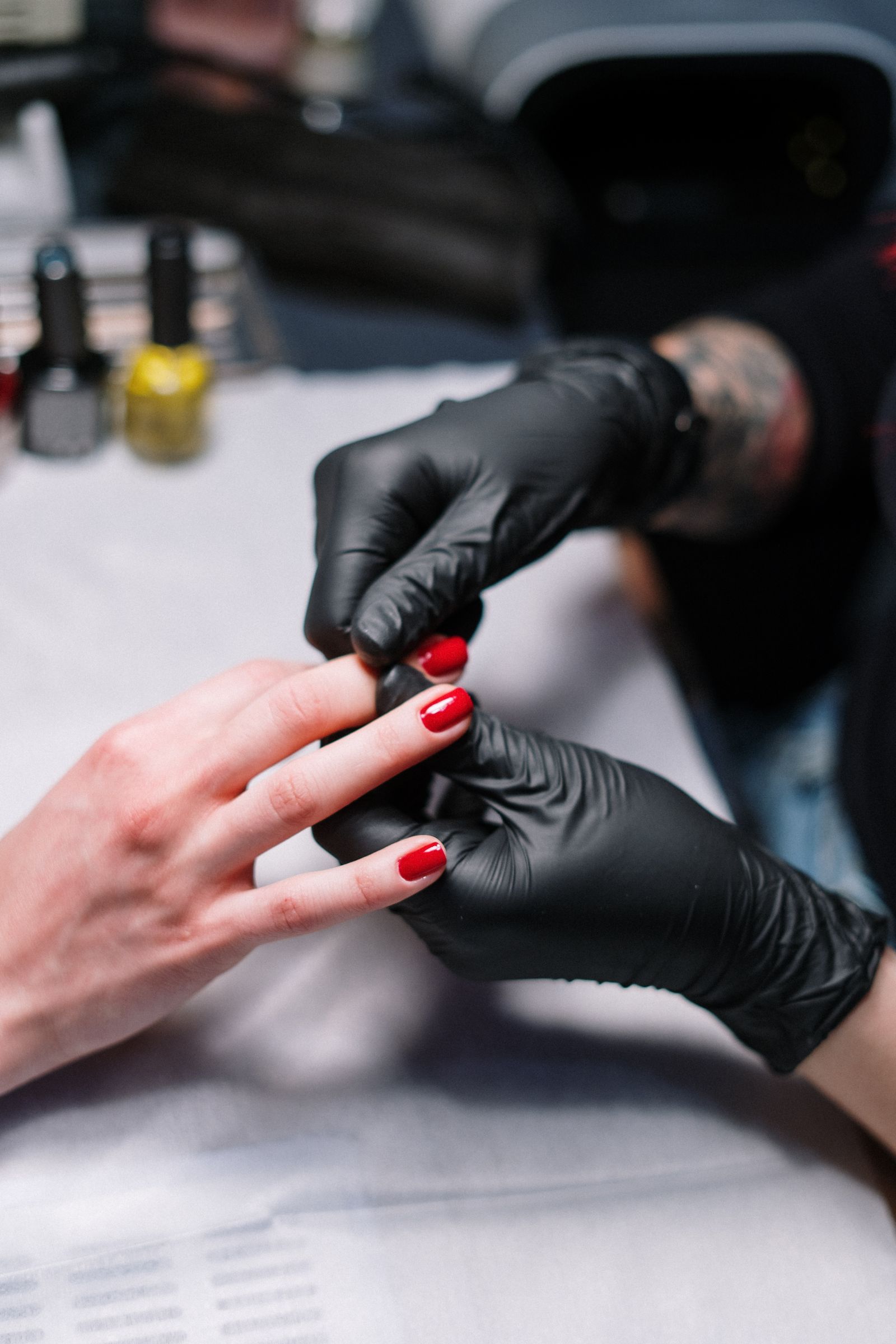
- Notice hands: your technician should wash or sanitize before starting and after touching phones, drawers, or the register.
- Look at product jars: creams and scrubs should be dispensed cleanly, not scooped with fingers that go jar to skin to jar.
- If something looks off, say so early and plainly. A clean salon would rather replace a file or pouch than have you sit quietly uneasy.
Smell, air, and the less obvious signs
A faint product smell is normal in a working salon. A heavy, stale chemical haze that makes your eyes water suggests poor ventilation, which matters for the staff breathing it all day as much as for you. Dust is another quiet signal. Nail dust from filing should be captured or wiped frequently; thick dust settled on lamps, bottles, and vents suggests surfaces are not on a cleaning routine. Restrooms tell the truth about any business. If the restroom is neglected, be skeptical that the less visible routines, like disinfectant contact times, are being honored either.
When to leave, and how
Leave if you see implements reused without cleaning, a file that is visibly worn from prior use presented as yours, or staff working on broken skin without gloves or care. You do not owe a speech. A simple statement that you need to reschedule is enough, and a reputable salon in Albemarle or anywhere else would rather lose one appointment than have a customer stay uncomfortable. If you develop redness, swelling, or pain around a nail in the days after any salon visit, treat it as a health issue first: keep it clean, watch it closely, and contact a clinician if it spreads or throbs.
Common questions
What should be thrown away after each client?
Files, buffers, wooden sticks, and other porous items that cannot be sterilized should be single-use. Metal tools are the opposite: they should be sterilized, often in sealed pouches from an autoclave.
Are foot-bath liners enough on their own?
A fresh liner helps, but the tub still needs cleaning and disinfection between clients. Look for both the liner change and a visible wipe or spray step, not just a refill.
Is it rude to ask how tools are cleaned?
No. It is a normal customer question, and clean salons answer it easily and specifically. Vague or annoyed answers are useful information by themselves.
Photos in this guide are representative stock images.
← All guides from Nail Care← Back to Nail Care